Understanding Hallway Lighting Fixtures
What Are Hallway Lighting Fixtures?
Hallway lighting fixtures are essential elements that contribute to the practicality and aesthetics of corridors, entryways, and passages within a home or commercial space. These fixtures are designed not only to illuminate the area but also to create a welcoming environment and enhance the overall decor. By choosing appropriate hallway lighting fixtures, you can transform a mundane passageway into an inviting and stylish part of your space.
Key Features of Effective Hallway Lighting
Effective hallway lighting goes beyond mere illumination. Key features include:
- Brightness: Ensuring adequate brightness is crucial, as hallways may often be darker than other areas of a home or office.
- Energy Efficiency: Modern lighting options, such as LED fixtures, provide bright illumination while consuming less energy.
- Style Compatibility: Fixtures should align with the overall design theme of the space, from contemporary to traditional.
- Durability: Since hallways are high-traffic areas, sturdiness in fixtures ensures longevity.
- Adjustability: Dimmable fixtures can offer variable brightness to suit various activities or moods.
Common Styles of Hallway Lighting Fixtures
Hallway lighting fixtures come in various styles to match different décor themes. Common styles include:
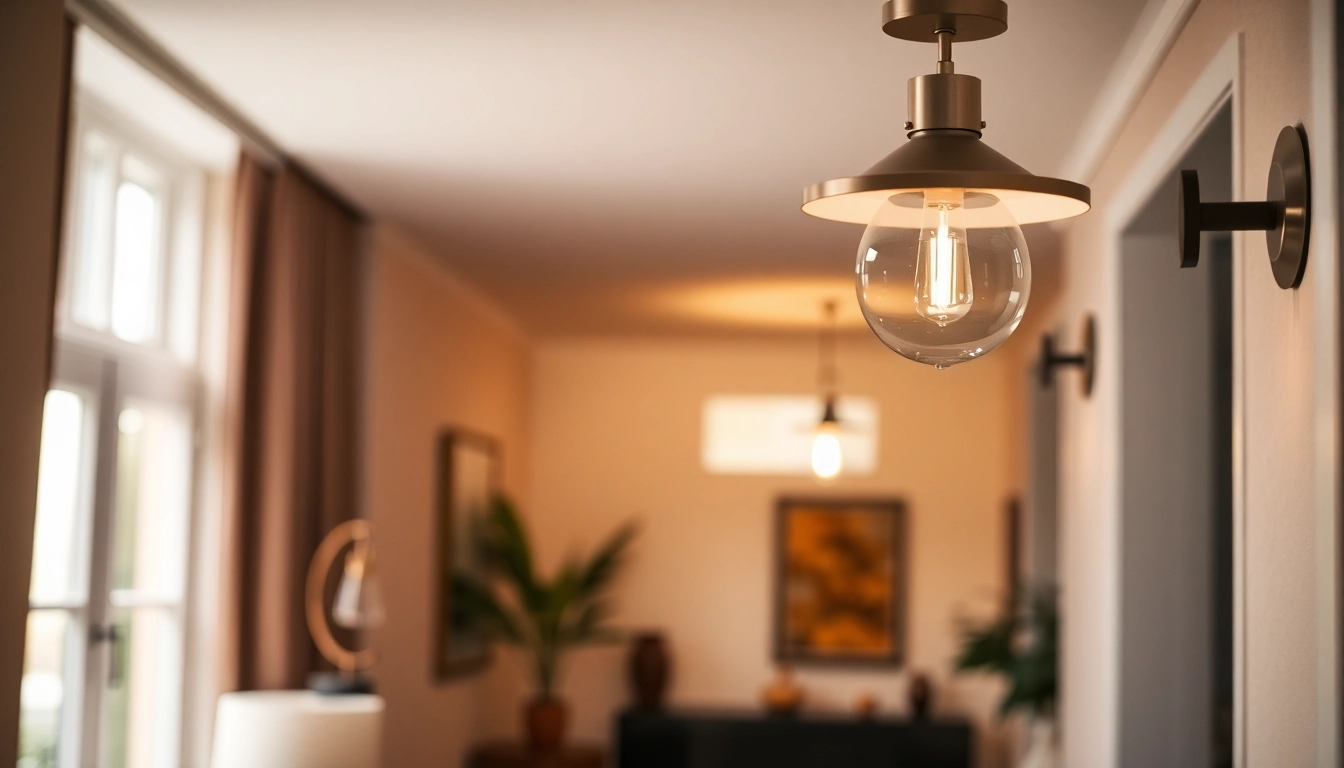
- Flush Mounts: Perfect for low ceilings; these are mounted directly against the ceiling for a clean appearance.
- Pendants: Hanging down from ceilings, pendant lights can add a decorative element and are ideal for higher ceilings.
- Wall Sconces: These fixtures are mounted on walls and are excellent for adding accent light.
- Recessed Lighting: Integrated into the ceiling, these fixtures provide subtle illumination with minimal visible hardware.
- Track Lighting: Flexible and adjustable, track lighting can illuminate specific areas along the hallway.
Best Practices for Selecting Hallway Lighting Fixtures
Assessing Your Space: Size and Layout Considerations
Before selecting hallway lighting fixtures, assess the size and layout of your space. A narrow hallway may benefit from wall sconces that draw the eye upward, creating an illusion of height. Conversely, broader hallways can accommodate fixtures that provide wider illumination. Measure your space to ensure that the chosen fixtures are proportionate, allowing for safe passage and pleasant aesthetics.
Choosing the Right Bulb for Your Hallway Lighting Fixtures
The choice of bulbs plays a significant role in the effectiveness of your hallway lighting. Consider the following:
- LED Bulbs: They are energy-efficient, long-lasting, and available in various color temperatures.
- Warm vs. Cool Lighting: Warm lighting (2700K-3000K) creates a cozy atmosphere, while cool lighting (3500K-5000K) is more energizing and ideal for workspaces.
- Lumens Output: Ensure that fixtures provide enough lumens (brightness) to adequately illuminate your hallway without overwhelming glare.
Combining Style and Functionality in Design
When selecting hallway lighting fixtures, find a balance between aesthetics and functionality. Fixtures should not only enhance the decor but also provide practical light distribution. Consider how light will reflect off walls and ceilings, impacting the ambiance. A well-chosen fixture becomes a focal point while effectively guiding residents and guests through the space.
Popular Types of Hallway Lighting Fixtures
Wall-mounted vs. Ceiling-mounted Fixtures
Wall-mounted fixtures are ideal for narrow hallways and add visual interest without taking up ceiling space. They can cast soft light downward or upward, illuminating the walls. Ceiling-mounted fixtures like flush mounts provide general ambient light and occupy less visual space, making them ideal for lower ceilings. The choice between these types hinges on personal preference, available space, and desired lighting effect.
Pendant Lights and Their Appeal
Pendant lights are an attractive option for hallways with higher ceilings. They can come in various designs and materials to complement the overall decor. Suspend a single pendant for a minimalist feel or install multiple pendants in a row for a dramatic effect. Their ability to serve both function and decor makes them a popular choice in modern interior design.
Recessed Lighting: A Sleek Option
Recessed lighting offers the benefit of unobtrusive illumination, making it ideal for any hallway. These fixtures, installed directly into the ceiling, draw attention away from the fixtures and towards architectural features. Adjustable recessed lights can direct light where needed, while dimming options can provide ambiance. This style can create a sleek, contemporary feel and contributes to favorable visual perceptions of space.
Installation Tips for Hallway Lighting Fixtures
Do-it-Yourself vs. Professional Installation
Installing hallway lighting fixtures can be a rewarding DIY project or a job best left to professionals, depending on your skill level and the complexity of the installation. Simple flush mounts and sconces are often within the capabilities of a DIYer, while more complex installations, like recessed lighting, may require professional expertise to avoid risks and ensure compliance with local codes.
Essential Tools for Installation
Before beginning installation, gather essential tools to ensure a smooth process. Basic tools needed include:
- Utility knife
- Wire stripper
- Wire nuts
- Drill
- Level
- Voltage tester
Having the right tools at hand can reduce installation time and improve the final result.
Safety Precautions to Consider
Safety must be a top priority when installing hallway lighting fixtures. Always turn off the power at the circuit breaker before beginning work. Use insulated tools, and check for exposed wiring with a voltage tester. If you’re uncertain about any step of the installation process, consult a qualified electrician to avoid hazards.
Maintaining Your Hallway Lighting Fixtures
Regular Cleaning and Care Tips
Regular maintenance of your hallway lighting fixtures ensures they remain functional and appealing. Dust and grime can accumulate, dimming light output and detracting from the aesthetic. To clean, turn off the power and wipe fixtures with a soft cloth. For glass or crystal elements, a gentle glass cleaner can restore clarity and brightness.
When to Replace Bulbs in Your Fixtures
Monitoring bulb performance is crucial for maintaining effective hallway lighting. Replace bulbs when you notice flickering or dimming, as these are indicators of burnout or inadequate power supply. It’s advisable to keep spare bulbs on hand, especially for less common fixtures that may require specific types.
Upgrading Your Fixtures: When Is It Time?
Consider upgrading your hallway lighting fixtures if they are outdated, inefficient, or failing to meet your illumination needs. Upgrades can enhance energy efficiency, improve aesthetics, and provide better lighting performance. Signs that it’s time for an upgrade include frequent repairs, energy wastage, or a desire to modernize your space.
Frequently Asked Questions
1. What is the best type of lighting for a hallway?
LED fixtures are ideal for hallway lighting due to their energy efficiency and long lifespan. Consider flush mounts or wall sconces for versatile options.
2. How bright should hallway lighting be?
The brightness should be adequate to illuminate the space without overwhelming glare. Aim for around 200-300 lumens per fixture depending on the size of the hallway.
3. Can I use dimmer switches with hallway lighting fixtures?
Yes, dimmer switches allow you to adjust the brightness of hallway lighting fixtures, enhancing mood and energy efficiency.
4. How do I maintain my hallway lighting fixtures?
Regularly clean fixtures with a soft cloth and check for bulb performance. Replace bulbs as needed to ensure optimal illumination.
5. When should I consider upgrading my hallway lighting fixtures?
Consider upgrading if fixtures are outdated, inefficacious, or failing to provide adequate lighting, particularly in high-traffic areas.