- 1. Understanding the Role of a New York City Commercial General Contractor
- 2. Navigating the Construction Landscape in New York City
- 3. Cost Management Strategies for Projects
- 4. Building Strong Relationships with Stakeholders
- 5. Future Trends in the New York City Commercial General Contracting
- Frequently Asked Questions
1. Understanding the Role of a New York City Commercial General Contractor
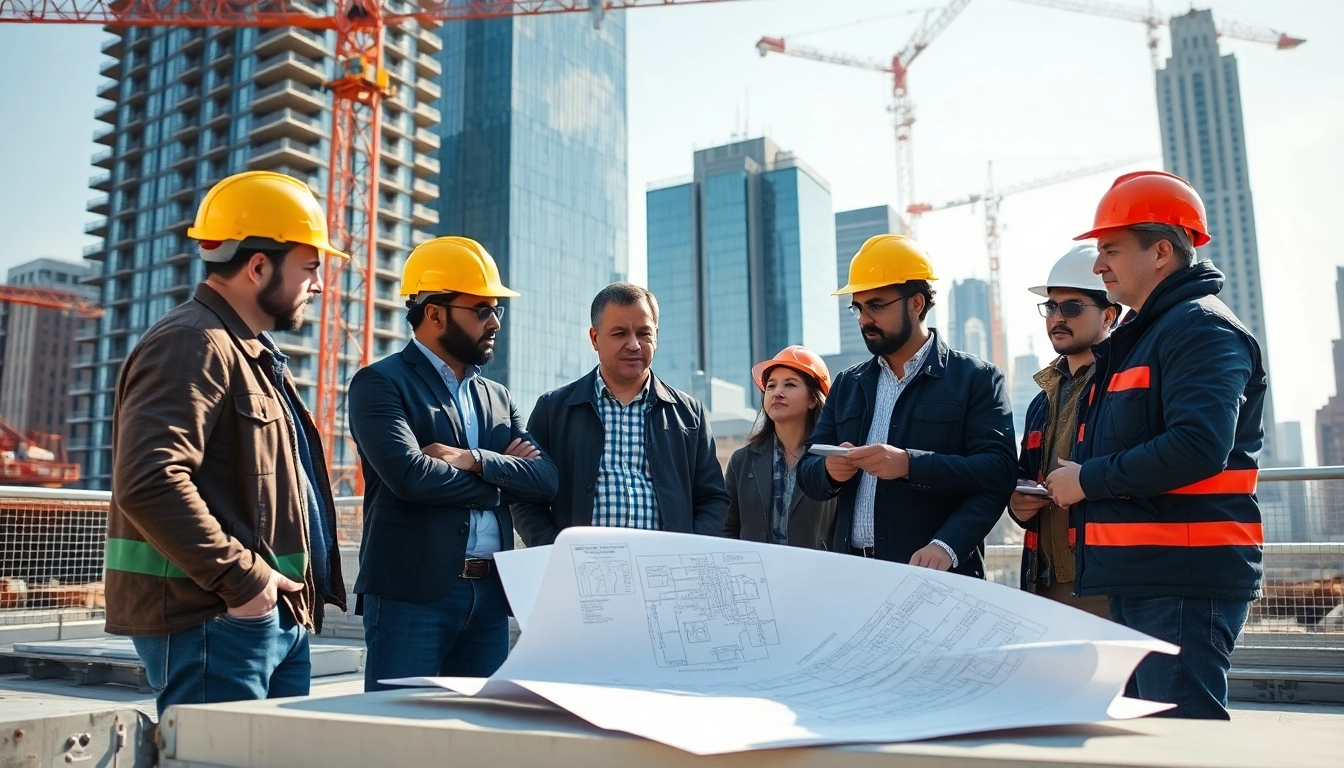
In the vibrant construction landscape of New York City, the role of a New York City Commercial General Contractor is multifaceted and crucial. A general contractor (GC) assumes overall responsibility for constructing projects, including office buildings, retail spaces, and mixed-use developments. From project inception to completion, GCs ensure that all components are executed flawlessly, coordinating resources, subcontractors, and timelines to deliver high-quality results.
1.1 Key Responsibilities and Tasks
A New York City Commercial General Contractor performs a myriad of tasks, including:
- Project Planning: Developing detailed project plans that outline tasks, schedules, and resource allocations.
- Bidding and Procurement: Soliciting bids from subcontractors and suppliers while negotiating contracts to ensure competitive pricing.
- Supervision: Overseeing construction teams and subcontractors to ensure quality and compliance with specifications.
- Quality Control: Implementing quality assurance practices to meet building codes and client requirements.
- Communication: Serving as the primary communication point between clients, architects, and construction teams.
1.2 Importance in Construction Projects
The significance of the general contractor in construction projects cannot be overstated. GCs are critical in:
- Time Management: Ensuring projects stay on schedule by coordinating the timely delivery of materials and labor.
- Cost Efficiency: Managing budgetary concerns effectively to minimize overruns and maximize profit margins.
- Risk Management: Identifying and mitigating risks associated with construction activities, including safety hazards and legal compliance.
1.3 Required Skills and Qualifications
To excel as a New York City Commercial General Contractor, professionals must possess a blend of skills and qualifications, such as:
- Project Management Skills: Proficiency in planning, executing, and closing construction projects.
- Strong Leadership: Ability to lead diverse teams and motivate subcontractors to achieve project objectives.
- Financial Acumen: Understanding budgeting, cost estimation, and financial management principles.
- Negotiation Skills: Expertise in negotiating contracts and managing stakeholder expectations.
2. Navigating the Construction Landscape in New York City
New York City presents a unique construction environment rife with complexities and regulations. A successful New York City Commercial General Contractor must adeptly navigate this landscape to achieve project success.
2.1 Unique Challenges Faced
Contractors in New York City encounter various challenges, including:
- Market Competition: Intense competition requires GCs to differentiate their services.
- Labor Shortages: Finding skilled labor can be challenging, impacting project timelines and quality.
- Weather Conditions: Seasonal variations in weather can affect construction schedules and require contingency planning.
2.2 Navigating Local Regulations
Understanding and complying with local regulations is critical for any contractor operating in New York City. This includes:
- Building Codes: Familiarity with NYC’s extensive building codes ensures compliance and safety.
- Permits: Acquiring the necessary permits can be time-consuming; thus, timely submissions are crucial.
- Environmental Considerations: Adhering to environmental regulations to minimize impact on the community.
2.3 Strategies for Successful Project Management
To manage projects effectively in a challenging environment, contractors should implement the following strategies:
- Advanced Planning: Careful project planning that includes risk assessments and contingency measures.
- Collaboration: Fostering collaboration among all stakeholders, including architects, engineers, and clients.
- Technology Utilization: Leveraging project management software for scheduling, budgeting, and resource allocation.
3. Cost Management Strategies for Projects
Effective cost management is pivotal in construction, impacting both profitability and project delivery. A skilled New York City Commercial General Contractor employs various strategies to manage costs.
3.1 Budgeting and Estimating Costs
Budgeting begins with accurate costing. Contractors should:
- Gather Historical Data: Use data from previous projects to inform budget estimates.
- Detailed Line Items: Break down costs into detailed line items for transparency and clarity.
- Continuous Updates: Regularly update budgets to reflect actual costs as the project progresses.
3.2 Cost Control Techniques
Effective cost control helps avoid overruns. Techniques include:
- Regular Audits: Conducting regular budget audits to identify discrepancies.
- Variance Analysis: Analyzing variations between estimated and actual costs to make informed adjustments.
- Procurement Strategies: Negotiating bulk pricing and exploring alternative suppliers for cost savings.
3.3 Value Engineering in Construction
Value engineering focuses on improving the value of the project without compromising quality. This can involve:
- Identifying Alternatives: Seeking alternative materials or methods that reduce costs while maintaining function.
- Collaborative Workshops: Engaging subcontractors in workshops to brainstorm value-engineering solutions.
- Continuous Improvement: Adapting value-engineering practices throughout the project lifecycle for ongoing cost-effectiveness.
4. Building Strong Relationships with Stakeholders
Building good relationships in construction ensures smooth project execution. A competent New York City Commercial General Contractor prioritizes stakeholder engagement throughout projects.
4.1 Importance of Communication
Effective communication fosters trust and clarity. Strategies include:
- Regular Updates: Keeping clients informed on project status and changes.
- Feedback Mechanisms: Implementing systems for gathering stakeholder feedback to enhance collaboration.
4.2 Engaging Subcontractors and Suppliers
Strong relationships with subcontractors and suppliers contribute to successful project outcomes. Some best practices include:
- Fair Contracts: Ensuring fair and transparent contracts help retain skilled subcontractors.
- Building Loyalty: Frequent projects with trusted partners can yield better terms and cooperation.
4.3 Client Management Best Practices
Managing client relationships is key to repeat business and referrals. Best practices include:
- Listening to Needs: Attentively addressing client needs and concerns fosters satisfaction.
- Delivering on Promises: Meeting deadlines and maintaining quality enhance client relationships.
5. Future Trends in the New York City Commercial General Contracting
The construction industry is constantly evolving. A proactive New York City Commercial General Contractor must stay informed about emerging trends that shape the future of contracting.
5.1 Sustainability in Construction
Sustainable construction practices are increasingly sought after. Trends include:
- Green Building Materials: Utilizing eco-friendly materials to reduce environmental impact.
- LEED Certification: Pursuing LEED certification for projects to enhance building performance and sustainability.
5.2 Technological Innovations
Technology plays a critical role in modern contracting. Notable innovations encompass:
- Building Information Modeling (BIM): Enhancing project visualization and collaboration.
- Drones: Utilizing drones for site surveys to improve accuracy and save time.
- Project Management Software: Advanced software solutions to streamline project tracking and reporting.
5.3 Adapting to Market Changes
The construction market is dynamic; thus, GCs must be ready to adapt by:
- Continuous Learning: Staying updated on market trends and emerging technologies through workshops and seminars.
- Diversifying Services: Expanding service offerings can address varied client needs and create new revenue streams.
Frequently Asked Questions
What does a New York City Commercial General Contractor do?
A general contractor oversees construction projects, ensuring they stay on schedule and within budget while coordinating subcontractors and materials.
How do I choose a reliable general contractor in NYC?
Check qualifications, experience, client reviews, and ask for a portfolio of completed projects to ensure reliability and quality.
What are some typical challenges for NYC commercial contractors?
Challenges include navigating strict regulations, managing labor costs, and dealing with weather conditions impacting schedules.
How can a contractor manage project budgets effectively?
Effective budgeting involves accurate estimates, constant monitoring of expenses, and employing cost-control measures throughout the project lifecycle.
What technological trends are shaping the future of contracting?
Trends include the use of Building Information Modeling (BIM), drones for site surveys, and advanced project management software to enhance efficiency.