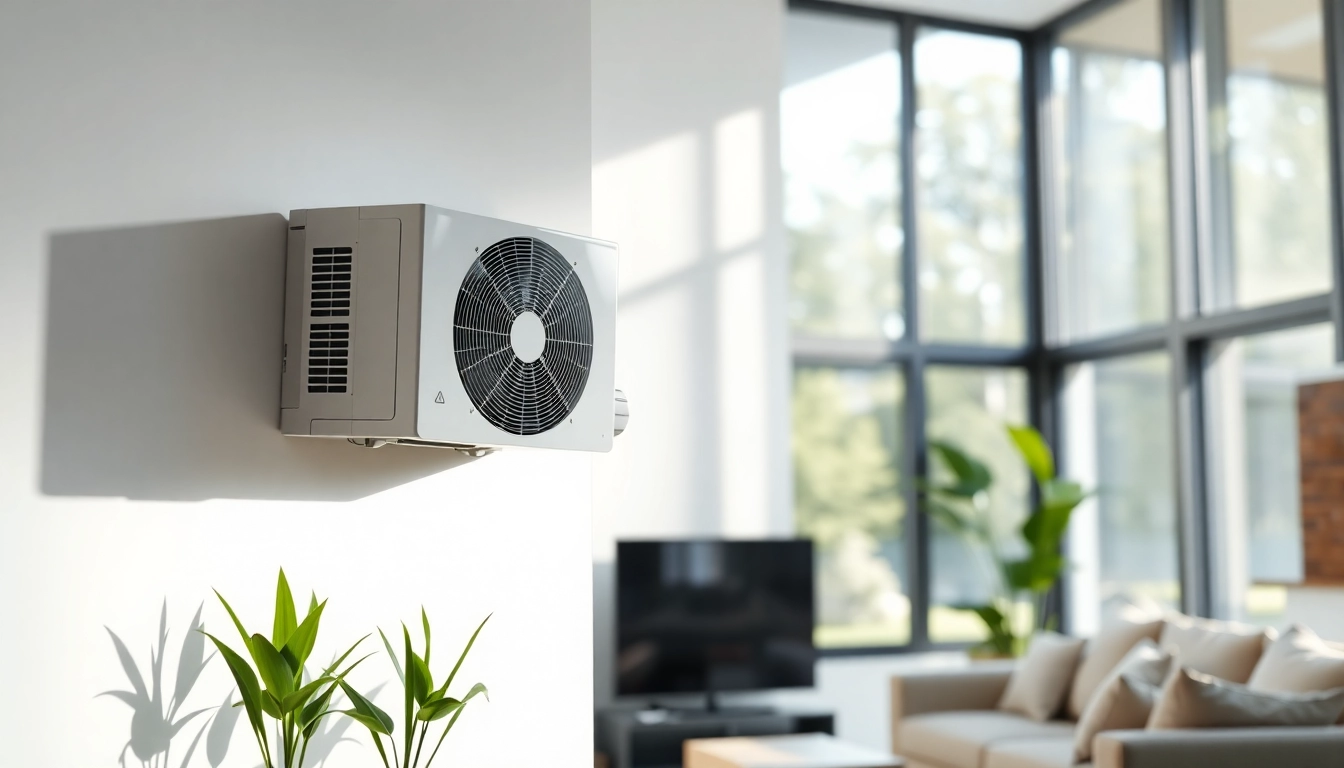
Understanding Mini Split AC Systems
What is a Mini Split AC?
A mini split AC is a type of air conditioning system that offers flexibility and efficiency, perfect for both residential and commercial spaces. Unlike traditional HVAC units, mini split systems consist of two main components: an outdoor compressor and one or more indoor air handling units. This design allows for targeted cooling in specific areas or zones, which can lead to increased comfort and reduced energy costs. mini split ac systems are particularly popular due to their energy efficiency and sleek design, making them a preferred choice for many homeowners and businesses.
How Mini Split AC Works
The operation of a mini split AC system is somewhat distinct from that of traditional air conditioning systems. The outdoor unit extracts heat from the outside air and transfers it to the indoor units through refrigerant lines. This process utilizes a compressor to transport the refrigerant, which absorbs heat indoors and releases it outside. The indoor units can be installed in various configurations—wall-mounted, flush-mounted, or ceiling-mounted—allowing for significant flexibility in installation and design. This separation of units makes mini splits particularly efficient for homes without ductwork.
Key Benefits of Mini Split AC
Mini split AC systems offer numerous benefits that contribute to their rising popularity. Some key advantages include:
- Energy Efficiency: Mini split systems typically have higher SEER (Seasonal Energy Efficiency Ratio) ratings, which translates to lower energy consumption and savings on utility bills.
- Flexible Installation: The absence of ductwork means mini splits can be installed in a variety of locations, making them an excellent option for older homes or newly constructed spaces.
- Quiet Operation: These systems operate significantly quieter than traditional window units or central air conditioners, enhancing the comfort of indoor spaces.
- Zoning Capability: Multi-zone systems allow for different temperature settings in various rooms, accommodating personal preferences and reducing energy waste.
Choosing the Right Mini Split AC for Your Space
Factors to Consider When Buying
When selecting a mini split AC system, several factors should be considered to ensure that you are making the right choice for your specific needs:
- Size: Choose a unit that is appropriately sized for the space you intend to cool. An oversized unit can cool a room quickly but may lead to inefficient energy use, while an undersized unit will struggle to maintain a comfortable temperature.
- Energy Efficiency Ratings: Look for units with high SEER ratings. Higher efficiency means savings on energy bills and environmental benefits.
- Number of Zones: Determine how many indoor units you need based on the layout and size of your space. Multi-zone systems are ideal for larger homes.
- Features: Consider added features such as programmable thermostats, Wi-Fi connectivity, and air purifiers for enhanced convenience and air quality.
Optimal Sizing for Mini Split AC
Choosing the right size for your mini split AC is crucial for efficient operation. The size is typically measured in BTUs (British Thermal Units), which indicates the unit’s cooling capacity. To determine the recommended BTUs, several factors should be taken into account:
- Room Size: Measure the square footage of the area you intend to cool. Generally, you’ll need about 20 BTUs per square foot.
- Ceiling Height: Standard calculations are based on an 8-foot ceiling, so adjustments may be needed for higher ceilings.
- Sun Exposure: If the room receives a lot of sunlight, consider sizing up by 10-20% to accommodate the additional heat.
- Occupancy: More occupants can increase heat load, so consider adding about 600 BTUs for each additional person.
Common Misconceptions about Mini Split AC
Despite their popularity, several misconceptions about mini split AC systems persist. Addressing these can help potential buyers make informed decisions:
- Installation is Complicated: While proper installation requires expertise, many HVAC professionals can install mini splits efficiently, and the process is often less intrusive than traditional systems.
- They Are Only for Warmer Climates: Mini splits can be used in a variety of climates, including colder regions, as some models are designed to operate efficiently in low temperatures.
- They are Noisy: Modern mini split systems are designed to run quietly, often quieter than conventional systems, eliminating concerns about disruptive noise.
Installation Process of Mini Split AC
Professional vs. DIY Installation
When it comes to installing a mini split AC, homeowners can choose between professional installation and a DIY approach. While some skilled individuals may opt to install the unit themselves, professional installation is generally recommended for the following reasons:
- Compliance with Local Codes: Professionals are knowledgeable about local building codes and regulations, ensuring that the installation adheres to legal standards.
- Technical Expertise: HVAC professionals have the training and experience to handle any issues that may arise during installation, minimizing the risk of damage or inefficiency.
- Warranty Consideration: Many manufacturers’ warranties require professional installation for coverage; failure to comply could void the warranty.
Steps for Proper Mini Split AC Installation
If you choose to install a mini split AC system yourself, follow these essential steps for a successful installation:
- Select the Installation Location: Identify a suitable location for both the indoor and outdoor units to optimize airflow and accessibility.
- Mounting the Indoor Unit: Use a mounting bracket to secure the indoor unit to the wall, ensuring that it is leveled.
- Install the Outdoor Unit: Follow the provided instructions to mount and secure the outdoor unit, ensuring it is on stable ground and has adequate airflow.
- Connect Refrigerant Lines: Carefully connect the refrigerant lines from the outdoor unit to the indoor unit, ensuring no leaks occur.
- Electrical Connections: Make the necessary electrical connections according to the manufacturer’s guidelines, ensuring safety protocols are followed.
- Test the System: Once installed, fully test the system to ensure it operates correctly and efficiently.
Post-Installation Tips for Efficiency
After installation, implementing a few best practices can help maximize the efficiency and lifespan of your mini split AC:
- Regularly Clean Filters: Clean or replace filters every month to maintain optimal airflow and indoor air quality.
- Keep Outdoor Unit Clear: Ensure the area around the outdoor unit is free from debris and obstructions to allow uninterrupted airflow.
- Utilize Smart Thermostats: Consider using a smart thermostat for better temperature control and energy savings.
Maintenance for Mini Split AC Longevity
Routine Maintenance Tasks
To ensure your mini split AC system continues to operate efficiently over time, regular maintenance is essential. Key maintenance tasks include:
- Filter Maintenance: Monthly cleaning or replacement of air filters to prevent blockages that can reduce efficiency.
- Check & Clean Coils: Periodically check and clean the evaporator and condenser coils to ensure proper heat exchange.
- Drainage Inspect: Regularly inspect the drain lines to prevent clogs and water buildup, which can cause damage.
Troubleshooting Common Issues
Even with proper maintenance, issues can arise. Knowing how to troubleshoot common problems can save time and expenses. Here are a few guidelines:
- No Cooling: Check the thermostat settings and make sure the filters are clean. If problems persist, inspect the refrigerant levels.
- Unusual Noises: If you hear loud or unusual sounds, it may indicate loose parts or fan obstructions that require attention.
- Water Leaks: Inspect the indoor unit for signs of water accumulation. Blocked drain lines are often the culprit.
Signs Your Mini Split AC Needs Repair
Your mini split AC may be showing signs of malfunction that warrant a closer inspection. Key indicators for repair include:
- Inconsistent temperatures or a failure to cool properly.
- Frequent cycling on and off, indicating inefficiency.
- Strange noises or odors emanating from the indoor or outdoor units.
Maximizing Energy Efficiency with Mini Split AC
Smart Features and Energy Saving Tips
Modern mini split AC systems come equipped with various smart features that enhance energy efficiency. Take advantage of programmable settings, timers, and remote operation to optimize cooling schedules according to your usage patterns. Here are some additional tips:
- Use Natural Ventilation: When possible, open windows and doors to cool your space naturally instead of relying on system cooling.
- Implement Zoned Cooling: Cool only occupied areas—for instance, keep doors closed in rooms that aren’t being used.
Comparing Mini Split AC to Other Cooling Options
Numerous cooling options exist, from traditional central air systems to window units. When comparing mini split AC to other choices, consider:
- Energy Efficiency: Mini splits typically offer better efficiency compared to window or central systems.
- Installation Flexibility: While window units are limited to single-room use, mini splits can be configured for multiple zones.
- Long-Term Savings: Despite higher initial costs, the reduced energy bills can lead to significant savings over time.
Environmental Impact and Sustainability of Mini Split AC
The growing focus on sustainability makes the environmental impact of your cooling system an important consideration. Mini split AC systems feature:
- Lower Carbon Footprint: Due to their energy-efficient design, mini split systems typically use less electricity, reducing overall greenhouse gas emissions.
- Refrigerants Options: Newer models often use eco-friendly refrigerants, which have a lower global warming potential than traditional options.
- Longevity: With proper maintenance, mini splits can last significantly longer than traditional systems, reducing waste.
FAQs
1. How does a mini split ac differ from traditional AC systems?
A mini split ac offers flexibility with both indoor and outdoor units, allowing for efficient zone cooling without ductwork.
2. Can I install a mini split ac myself?
While DIY is possible, professional installation is recommended to ensure efficiency and compliance with local codes.
3. How often should I service my mini split ac?
Regular maintenance every 6-12 months helps ensure your mini split ac operates efficiently and reliably.
4. What is the lifespan of a mini split ac?
With proper care, a mini split ac can typically last 15-20 years, making it a long-term investment.
5. Are mini split ac systems energy-efficient?
Yes, mini split ac systems use advanced technology to provide efficient cooling and lower energy costs compared to traditional HVAC systems.